
Embrace Japandi Style: Merging Minimalism and Warmth in Your Home
Japandi design blends Japanese minimalism with Scandinavian simplicity, merging the finest aspects of both styles to create a balanced and harmonious look. Both Scandinavian and Japanese aesthetics are rooted in grounded, unadorned designs, reflecting an effortless yet intentional style that’s gaining traction. While new interior design trends constantly evolve, the essence of Japandi remains serene, graceful, and beautifully imperfect.
zenholmes
9/14/20248 min read
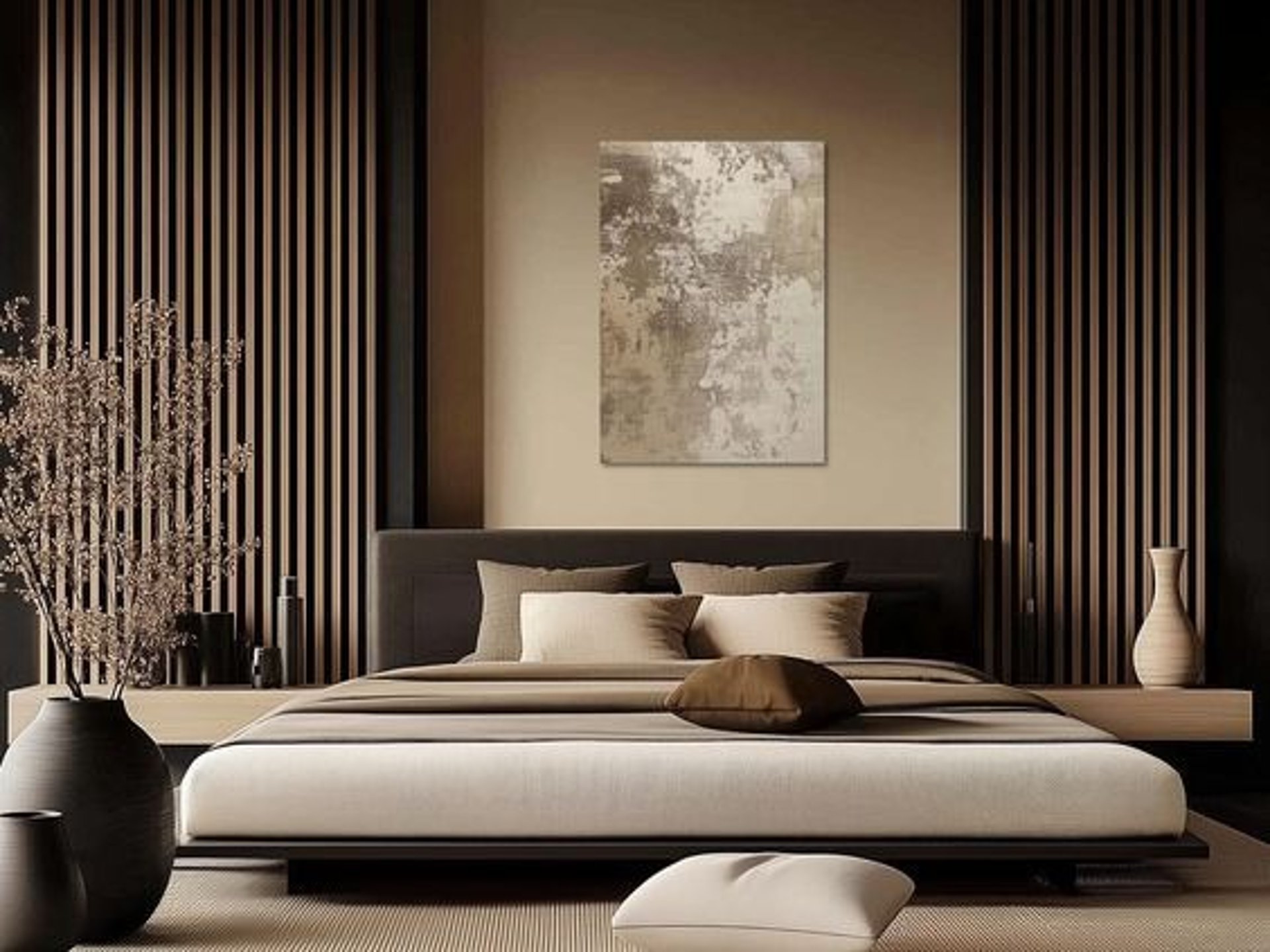
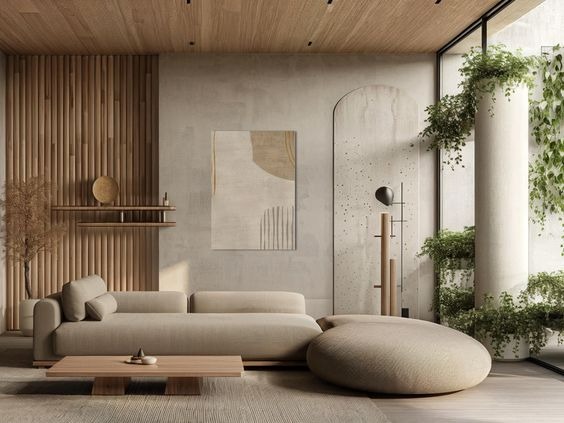
16 best ideas to master Japandi style in your bedrooms
Japandi fuses the Buddhist appreciation of imperfect beauty with Danish joy in simplicity, creating a functional, minimalist, and nature-inspired home with clean lines and light spaces.
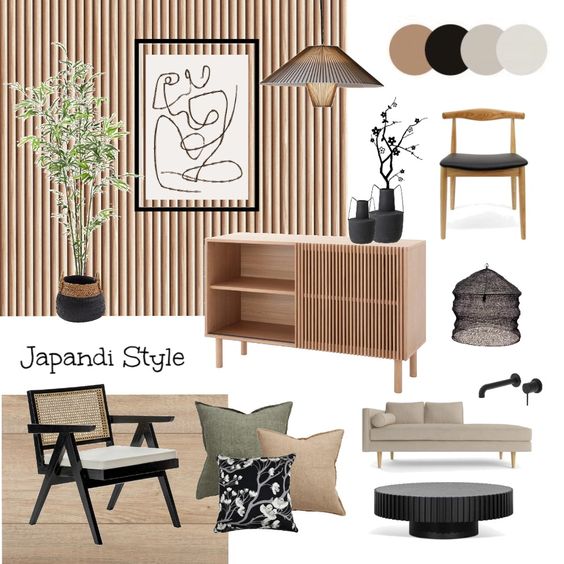
Japandi style is a unique blend of Japanese minimalism and Scandinavian functionality, creating a harmonious and balanced aesthetic. This design approach emphasizes simplicity, natural elements, and clean lines, crafting spaces that feel calm and clutter-free.
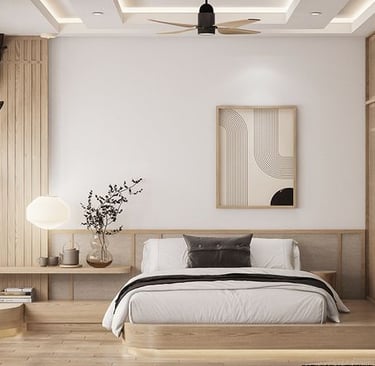
Combining the warmth of Scandinavian design with the serene elegance of Japanese decor, Japandi focuses on neutral colors, sustainable materials, and understated yet beautiful forms. The result is a space that feels both cozy and refined, with an emphasis on practicality.Featuring natural wood, muted tones, and minimalistic furniture, Japandi interiors are thoughtfully curated to promote tranquility and comfort.
Here are some elements to incorporate with:
Artisan in Timberland
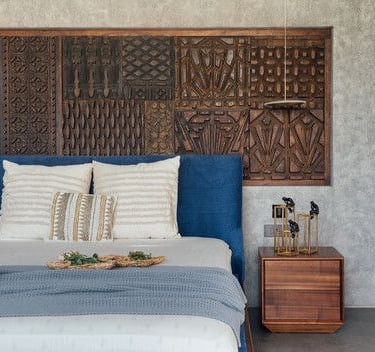
Japan's building designs are built on wood because of the country's abundant and adaptable supply of Timber wood which gives them a distinctively artistic character. Wood is used to create building structures, DIY decor and furnitures. Nordic designs emphasizes on comfort and simplicity. Consequently, these pairings result in superbly constructed, efficient and pleasant furniture pieces.
Believe in the Weave
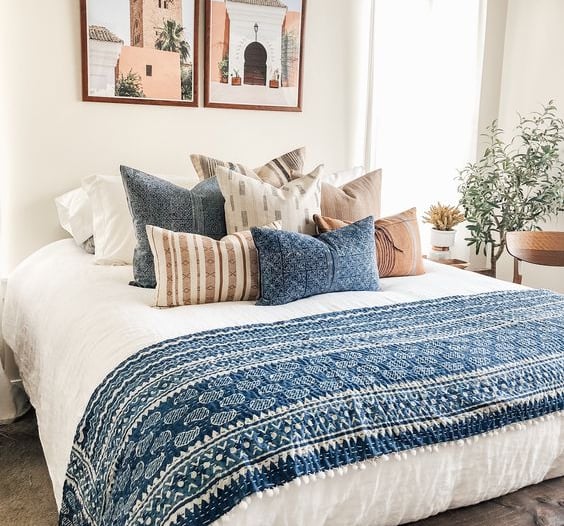
Traditional japanese embroidery method is called "Little Stitch". Multiple layers are stiched together originally used for quilting in the 16th century to offer reinforcement. The themes are typically classic or ancient geometric patterns that frequently take their cues from nature. Typically, white thread is used to stitch indigo dyed cotton to create "Shashiko". Dark blue dye with naturally occurring violet tones is used to paint indigo colored textiles.
Hack the blacks
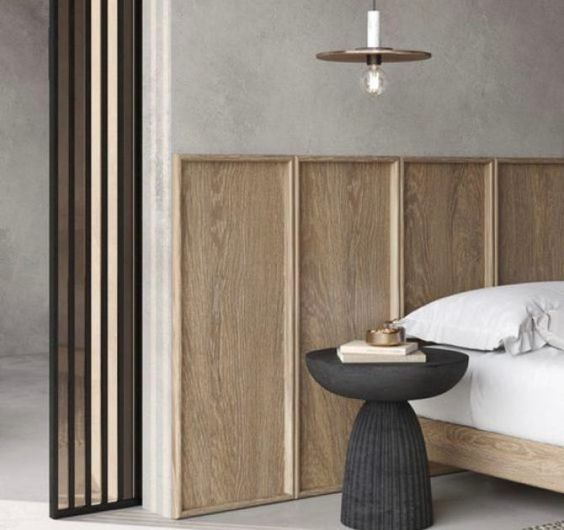
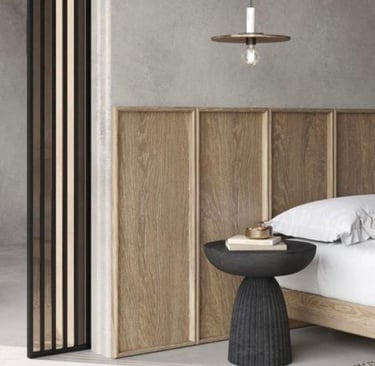
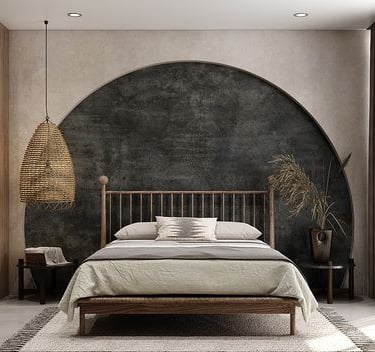
One of the numerous similarities between scadanavian and japanese design is the use of black. Its not surprising then, that this current trend has made the moodiest color its own. Use black as an accent color to draw attention to a feature wall, multifunctional furniture or decor. Consider painting architectural features like beams or columns black to produce a striking visual effect. Within the design framework, this can provide a contemporary touch and an element of curiosity . Fortunately, Japanese-Scandi artwork is frequently monochromatic, making it simple to combine your favorite white and black pieces in this decor.
Glider the slider
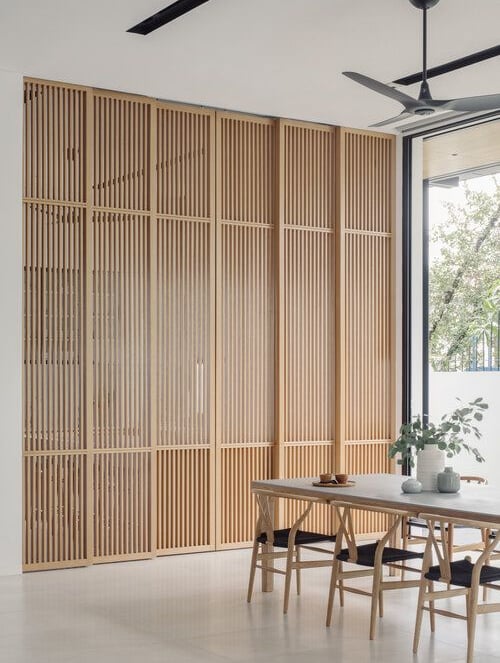
Instead of traditional hinged cabinet doors, consider using sliding doors for storage solutions in your japandi inspired space. Sliding cabinet offers a sleek and streamlined look while maximizing accessibility and space utilization. These slider panels are made of paper or fabric and are mounted on sliding tracks. They can be used to create partitions, filter light or add privacy to specific areas of the room. Choosing this feature will seamlessly blend with the overall aesthetic, opting for clean lines, natural material, and maintain a clutter free environment.
A Token for Open
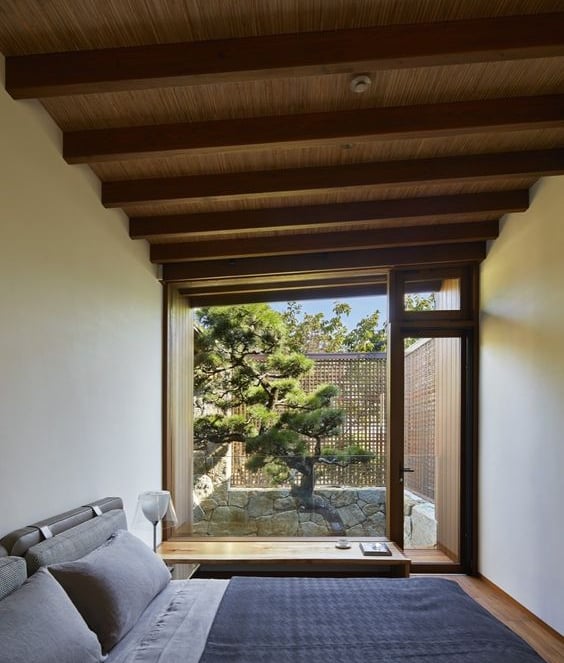
Accept an open floor plan that enables new transitions between various rooms of the house. This architectural concept removes unneeded barriers and partitions to promote openness and maximize natural light. Integrate your open designs to the surrounding environment. To bring the outside in, use indoor plants, organic materials and earthy textures. By including sizable windows or glass doors that open up to a patio or garden area, you can create a seamless transition between the inside and the outside.
Brick or Block :
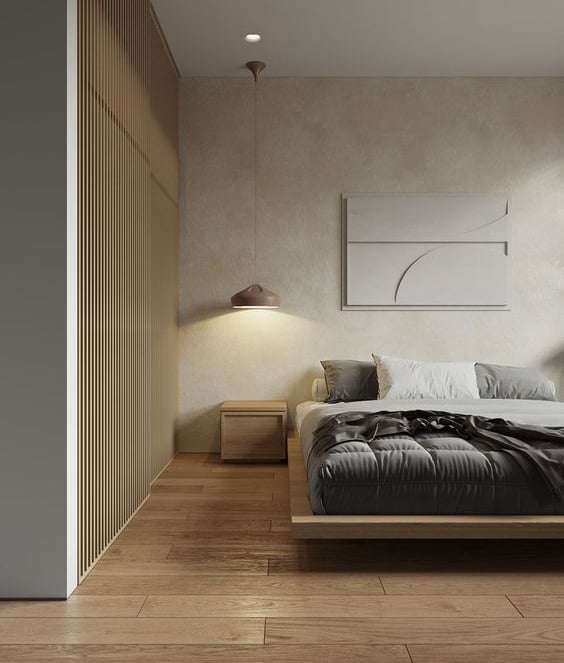
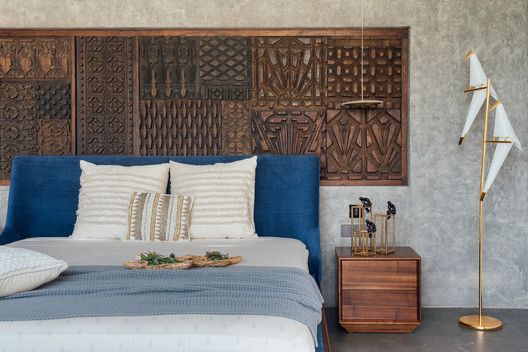
By now, it should be clear that wood plays a significant role in Japandi designs. Not only does it embody nature, preserves the neutral color scheme and offers understated elegance but it is also adaptable in terms of uses and forms. Many japandi spaces also feature wood flooring in addition to having wooden tables , chairs and textures on the walls and ceiling. This makes the room feel cozier and more at home over all, without being overpowering or competing with the other aspects. Compared to tiles, wood floors are more popular in bedrooms because they enhance the room's cozy ambience.
Less is more
As you give your japandi room the finishing touches, your modest decor and accessories should also adhere to the minimalistic style. These extra layers and textures will give your area additional warmth and comfort while also showcasing your personality. You can start by layering sheer curtains, cushions and soft materials. Try a textured, incredibly soft rug instead. You may choose between a dark or a white one for this.
Clutter the declutter
Decluttering is an essential part of the Japandi design, as it promotes a clean, organized and serene environment. Clear surfaces like night- stands, dressers and shelves of any extraneous objects. Keep just a handful of significant or useful items, like a lamp, a tiny plant or a book. Surface cleaning contributes to the openness of the space. Simplify your wardrobe by assembling a small collection of variable and necessary items. Remove anything that doesn't fit you anymore or is no longer useful. In addition to reducing visual clutter, a simplified wardrobe also makes it simpler to choose clothing and keep a space organized.
Why Wabi Sabi
Wabi Sabi is a Japanese beauty and philosophy notion that has some parallels with Japandi designs. Wabi Sabi promotes the charm of imperfection, transcience and the natural world, where as Japandi design mixes characteristics of Japanese simplicity and Scandinavian purity. It compliments Japandi designs by adding depth and character to the space. It emphasizes the use of natural fibers and textures of stone and wood. Japandi design incorporates ideas of timeless elements that will age gracefully. The combination of these concepts allows for a space that evolves and tells a story, reflecting the passage of time and the appreciation of beauty found in each other.
No room for Bloaters, say yes to Floaters
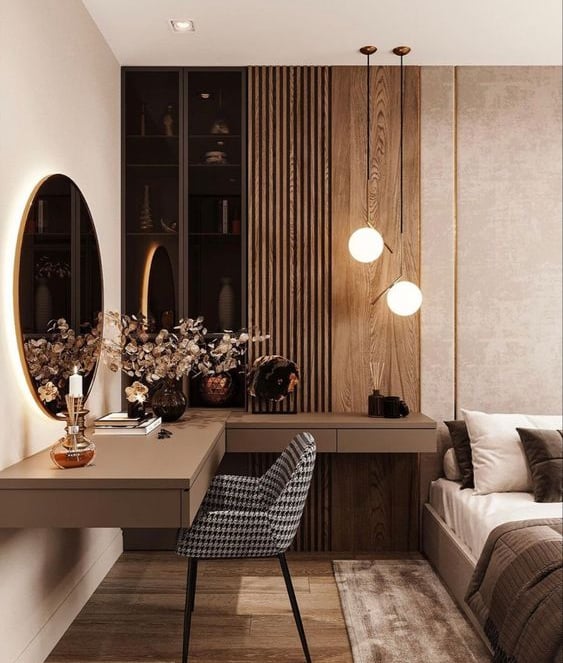
Put up floating shelves on the wall to show off trinkets, books or miniature plants. A simple and eye-pleasing display is produced by floating shelves while floor space is maximized. To adhere to the Japandi interiors, choose shelves made of natural materials like wood or bamboo. Floating bedside tables should be used instead of regular bedside tables. These can be hung directly on the wall next to the bed, eliminating the need for legs or extra floor sense. Select simple designs with a limited surface area and a drawer or shelf for needed storage.
Channel your panels
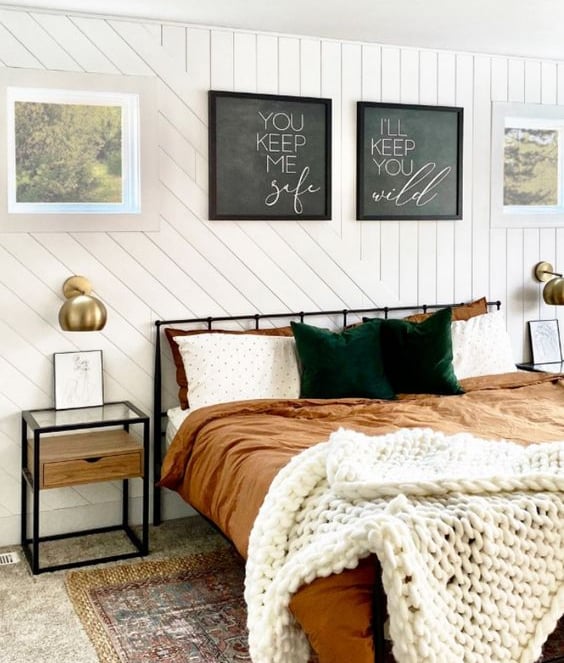
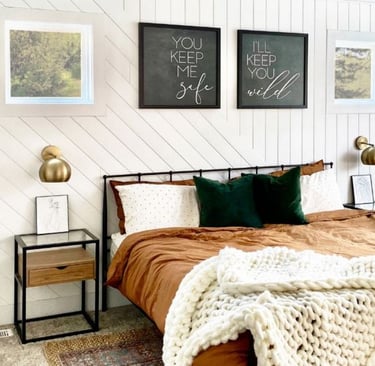
Incorporating wall panels into a japandi bedroom can add depth texture and visual interest to a space. Shiplap panelling is a common choice in Japandi bedrooms for providing a clean and contemporary design. Its overlapping boards give the walls morality and volume. To preserve a quite and harmonious decor, choose shiplap panelling in the light or neutral color. It can be utilized on a single accent wall or across the room to create a unified style. You can also install fabric panels to introduce softness and layered effect that compliment the earthy tones of the palette.
Love is in the Color
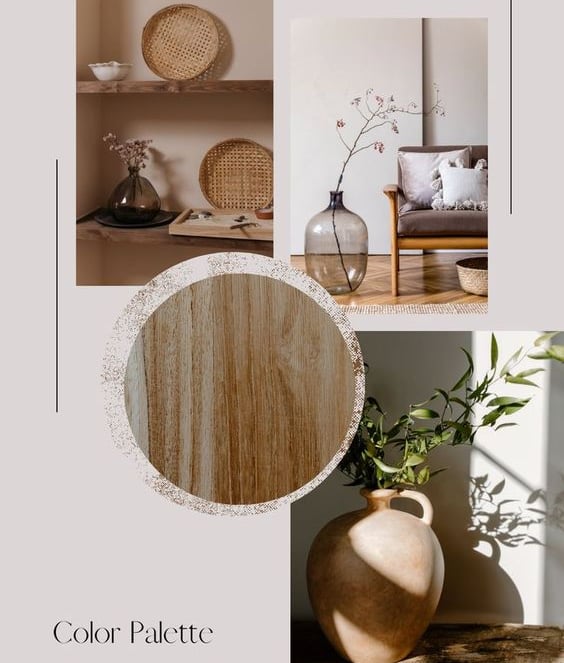
Japandi design often features subtle pops of color to embrace a soothing , nature inspired palette. Select one accent color to use sparingly across the area. A gentle mustard yellow, dusty terracotta or subdued pink, for example, might be used for decorative elements such as throw cushions, artwork, or a rug. Introduce soft pastel shades like pale blues, muted pinks and light lavender through bedding or curtains. Emphasize the beauty of natural wood tones in furniture pieces flooring or accents. To create a grounding and organic atmosphere, use shades of warm browns, sandy beiges and muted greens. Aim for a cohesive and understated palette that promotes a peaceful and uncluttered environment.
Dhanshari for Longitivity
Japandi style glorifies "dhanshari" concept as it aligns with eco-friendly practices. Incorporate handcrafted elements such as hand woven textiles, pottery or hand-made accessories. Choose items made from reclaimed or responsibly sourced wood, bamboo, rattan or organic fabrics. These kind of items will promote the preservation or traditional craftsmanship and support local artisans.
Shine bright like shoji
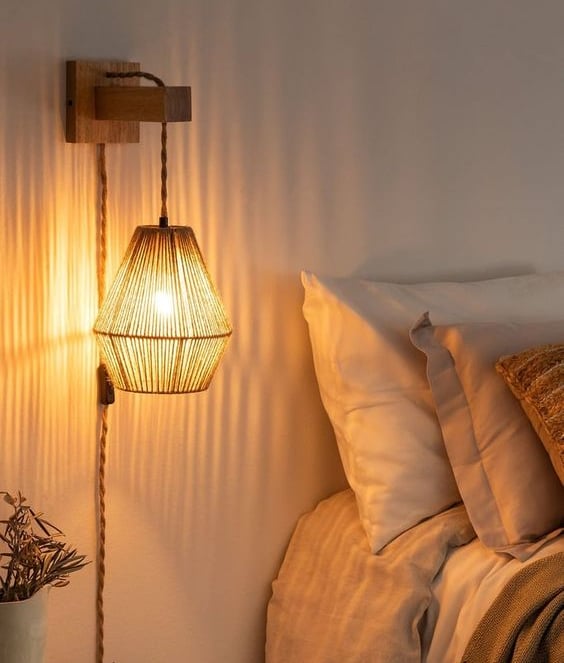
Shoji inspired pendant lights can draw inspiration from the delicate and geometric patterns of shoji screens. Look for fixtures with panels made of frosted or textured glass. These lamps typically have frames made of wood or metal with panels made of glass of fabric. The soft diffusion of light through these tiles add a touch of warm and ambient glow. You can also use shoji floor lamps to curate the soft and gentle glow to functional lighting in a space. The placement of these fixtures plays a significant role to compliment the simplicity and flow of light in the decor.
Dont skip the Strip
Opt for furnitures with subtle organic and irregular striped patterns rather than bold and structured stripes. Look for patterns that mimic the natural flow of lines found in nature such as gentle waves , flowers or leaves. Consider using an armchair or striped bench as a statement piece to create a contrasting effect of dark and light woods. Woods such as oak, teak, red pine, mahogany serves as a proxy to maintain a sense of simplicity. Use of floaters or low profile furnitures sets a good example of being rooted to the earth.
In essence, Japandi design embodies the philosophies and values of both Japanese and Scandinavian cultures. It highlights simplicity, natural materials, balance, and harmony. Symbolism such as simplicity underscores the importance of essentiality, while natural materials foster a connection to nature. The concepts of balance and harmony create a sense of equilibrium, and the wabi-sabi philosophy celebrates the beauty of imperfection. Nature-inspired motifs, along with light and open spaces, evoke tranquility, while Zen influences encourage mindfulness. Collectively, these symbolic elements work together to create peaceful and meaningful Japandi environments.
Ready to bring your dream home to life? Book your consultation with us today!
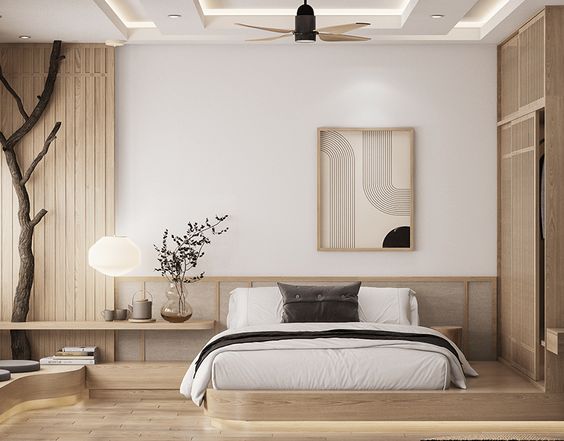
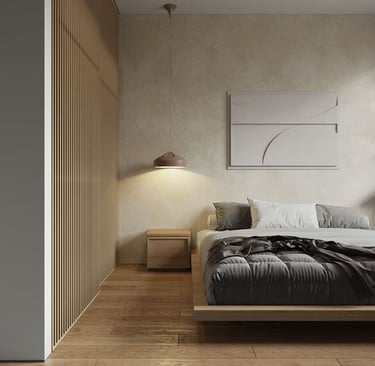
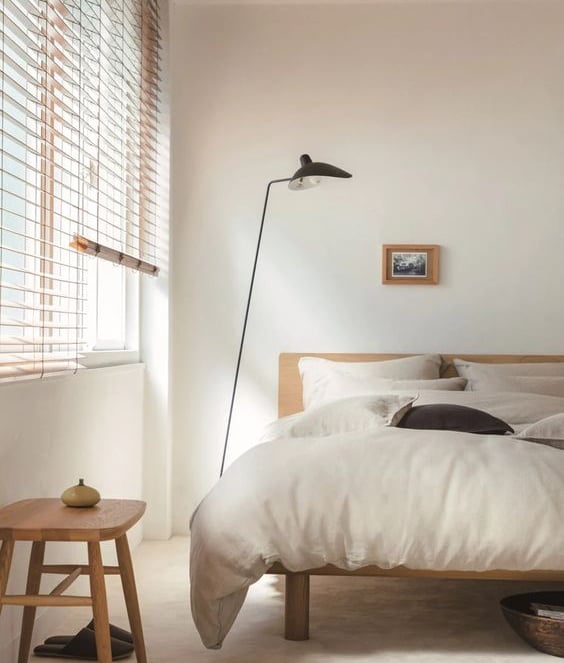
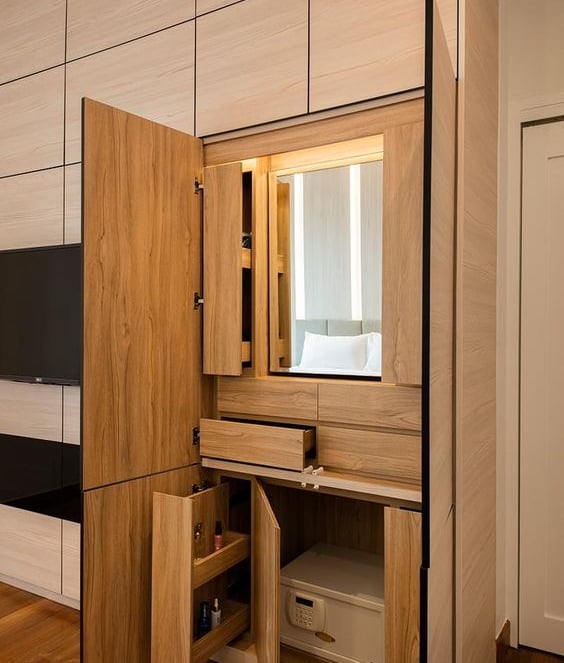
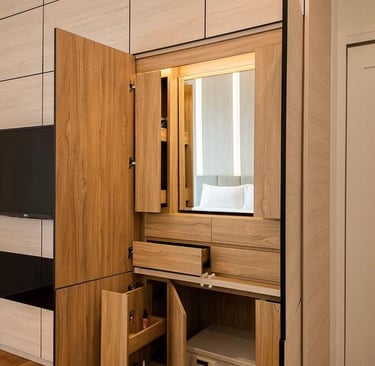
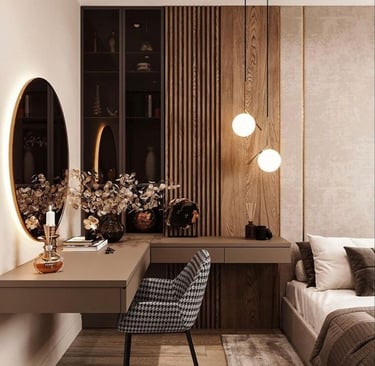
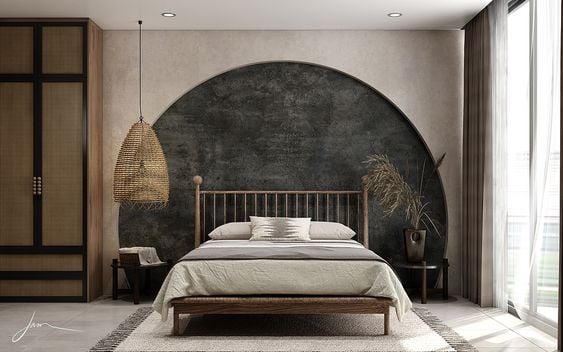
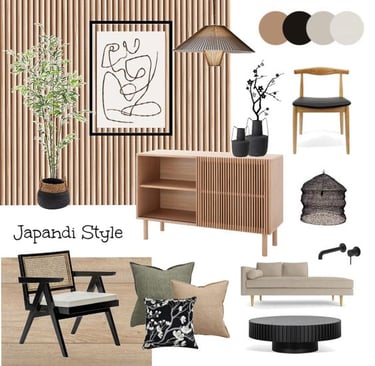
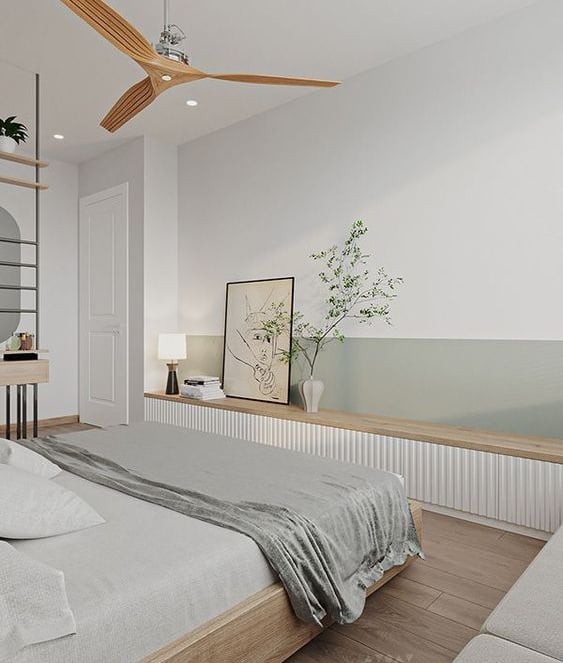
Japandi design is concerned with the ergonomics of furniture and space design. Comfort and utility are important considerations when choosing furnitures and organizing it in the area. Excessive decoration and decorative components that do not serve a utilitarian purpose are avoided in japandi designs. The principle of "form follows function" is highly valued as it emphasizes minimalistic and practical approach. Form and function should be one to balance the spiritual notion of their beliefs.
Form follows function
‘Design is not just what it looks like and feels like. Design is how it works.’ -
Contact
Say Hello: zenholmesdesign@gmail.com
Inquire Now : +918591441875
© 2024. All rights reserved.